


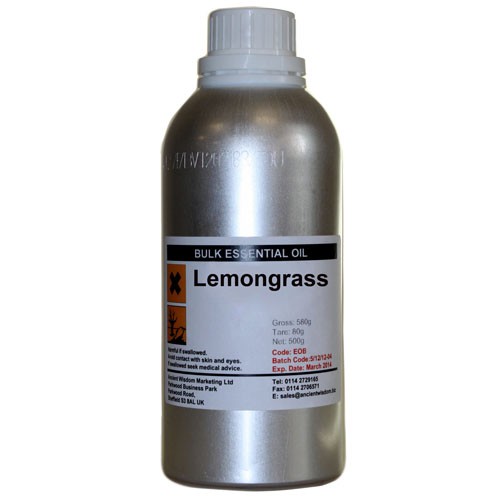


Lemongrass Essential Oil |
Latin Name: Cymbopogon Citratus
Part Of Plant Used: Leaves
Source: Guatamala
Extraction Method: Steam Distillation
£4.25 – £79.95Price range: £4.25 through £79.95
Lemongrass Essential Oil for Aromatherapy
Tropical Allure: A Rhapsody of Revitalisation and Exotic Splendour
🌾 Eastern Enchantment: Sourced from the lush fields of the East, where the air is heady with fragrant whispers, our Lemongrass Essential Oil encapsulates the spirit of tropical rainforests and the rhythmic dance of monsoons.
💧 Vibrant Verdure: Immerse yourself in the zesty, lemony notes of Lemongrass, interwoven with a hint of earthy undertones. It’s like a serene stroll through a British herb garden after a tropical downpour.
✨ Energetic Elevation: Lemongrass oil, with its invigorating aroma, revitalises the senses, banishes fatigue, and ushers in a wave of optimism. It’s nature’s elixir for an instant mood lift and enhanced mental clarity.
📜 Ancient Alchemy: Revered in age-old traditions for its myriad benefits, Lemongrass has been a sentinel of wellness and vigour. Our oil, lovingly distilled, celebrates this timeless connection between nature and well-being.
🌍 Eco Ethos: Ensuring harmonious balance, our Lemongrass Essential Oil is conscientiously sourced and ethically curated. It’s our ode to the earth, a promise of sustainability intertwined with premium quality.
Usage Guidance: Infuse a few drops into your diffuser for an ambient tropical escape or blend seamlessly with a carrier oil for a tactile aromatic experience. As is customary, observing dilution norms and conducting a skin patch test is highly recommended.
Awaken Your Essence. Revel in the Vibrant Symphony of Lemongrass’ Exotic Charm.
Latin Name: Cymbopogon Citratus
Part Of Plant Used: Leaves
Source: Guatamala
Extraction Method: Steam Distillation
Lemongrass essential oil has been used for centuries in traditional medicine and aromatherapy. It is extracted from the lemongrass plant’s leaves and stems, which are native to tropical regions of Asia and Africa. The oil has a refreshing and citrusy scent that is often used in perfumes, soaps, and other personal care products.
Aromatherapy is a popular way to use lemongrass essential oil. It is believed to have a calming effect on the mind and body and can help to reduce stress, anxiety, and depression. The oil can be used in a diffuser, added to bathwater, or applied topically in a carrier oil. However, it is important to follow safety guidelines when using essential oils, as they can be potent and may cause skin irritation if not diluted properly.
Lemongrass essential oil is derived from the lemongrass plant, a tall, perennial grass belonging to the Poaceae family. Two main species of lemongrass are used for oil production – Cymbopogon flexuosus and Cymbopogon citratus. Cymbopogon flexuosus is the most commonly used species for lemongrass oil.
Lemongrass essential oil has a fresh, citrusy aroma that is often used in aromatherapy for its calming and uplifting properties. It is native to Asia, India, Africa, and Australia but is now widely cultivated in other parts of the world, including Thailand and North America.
The oil is extracted from the leaves and stems of the lemongrass plant through steam distillation. The resulting oil is pale yellow to amber in colour and has a thin consistency.
Lemongrass essential oil is known for its anti-inflammatory, antifungal, and antibacterial properties. It is often used in skincare products and massage oils for its ability to soothe and rejuvenate the skin. It is also a popular ingredient in natural insect repellents.
In aromatherapy, lemongrass essential oil is used to relieve stress, anxiety, and depression. It is believed to have a calming effect on the mind and body, promoting relaxation and improving mood. It is often blended with other essential oils, such as lavender and peppermint, to create a synergistic effect.
Overall, lemongrass essential oil is a versatile and popular oil that has many benefits for both physical and mental health. However, it is important to use it safely and in moderation, as it can be irritating to the skin if used undiluted.
Lemongrass essential oil is extracted from the leaves and stems of the lemongrass plant. The extraction process involves the use of steam distillation or solvent extraction methods.
Steam distillation is the most commonly used method for extracting lemongrass essential oil. It involves the use of high-pressure steam to vaporize the essential oil from the plant material. The steam is then condensed to produce a liquid that contains the essential oil.
The process of steam distillation involves the following steps:
Steam distillation is a gentle process that preserves the quality and purity of the essential oil. It is also an eco-friendly method that does not involve the use of harsh chemicals.
Solvent extraction is another method for extracting lemongrass essential oil. It involves the use of a solvent, such as hexane or ethanol, to dissolve the essential oil from the plant material. The solvent is then evaporated, leaving behind the essential oil.
The process of solvent extraction involves the following steps:
Solvent extraction is a faster method for extracting essential oils, but it can result in a lower quality and purity of the oil. It also involves the use of potentially hazardous chemicals, making it less eco-friendly than steam distillation.
Steam distillation is the preferred method for extracting lemongrass essential oil for aromatherapy due to its gentle and eco-friendly nature.
Aromatherapy is a holistic therapy that uses essential oils to promote physical and emotional health. It involves inhaling the fragrant molecules of essential oils extracted from plants to stimulate the limbic system – the part of the brain that controls emotions, memory, and behaviour.
Aromatherapy is believed to have a range of benefits, including reducing stress and anxiety, promoting relaxation, improving mood, and enhancing overall well-being. It is also said to help balance the mind and body and promote feelings of joy and calm.
Essential oils used in aromatherapy are highly concentrated and should be used with care. They can be inhaled directly, added to a diffuser or vaporizer, diluted in a carrier oil, used for massage, or added to a bath.
Some popular essential oils used in aromatherapy include lavender, peppermint, eucalyptus, and lemongrass. Each oil has its own unique properties and benefits, and can be used alone or in combination with other oils to create a personalised blend.
Overall, aromatherapy is a gentle and natural therapy that can be used to support physical and emotional wellbeing. It is important to note that aromatherapy should not be used as a substitute for medical treatment, and anyone with a medical condition should consult a qualified healthcare professional before using essential oils.
Lemongrass essential oil is popular for massage therapy due to its refreshing, uplifting, and invigorating aroma. It has a range of benefits for the body and mind, making it an excellent choice for anyone looking to enhance their massage experience.
When using lemongrass essential oil in massage therapy, diluting it with carrier oil is important to avoid skin irritation. Some of the carrier oils that work well with lemongrass essential oil include coconut oil, jojoba oil, and sweet almond oil.
Here are some of the benefits of using lemongrass essential oil in massage therapy:
Overall, lemongrass essential oil is a versatile and beneficial oil that can enhance the massage therapy experience. Its refreshing aroma and therapeutic properties make it an excellent choice for anyone looking to promote relaxation, relieve muscle pain, and boost their overall health and well-being.
Lemongrass essential oil has a range of benefits for the skin. It has antimicrobial, anti-inflammatory, and antioxidant properties that make it useful in treating various skin conditions. Here are some of the benefits of using lemongrass essential oil for the skin:
When using lemongrass essential oil for the skin, it is important to take some safety measures. Here are some tips to keep in mind:
By following these safety measures, you can enjoy the benefits of lemongrass essential oil for the skin without any adverse effects.
Lemongrass essential oil has been used for centuries in traditional medicine for its various healing properties. The oil is extracted from the lemongrass plant’s leaves and stems, which are native to tropical regions in Asia and Africa. Here are some of the healing properties of lemongrass essential oil:
Lemongrass essential oil has antiseptic properties that effectively prevent and treat infections. It can be used to clean wounds and prevent them from becoming infected. The oil also effectively treats skin conditions such as acne, eczema, and psoriasis.
Lemongrass essential oil has astringent properties that effectively tighten and ton the skin. It can be used to reduce the appearance of pores and to prevent the skin from becoming oily. The oil also effectively reduces the appearance of fine lines and wrinkles.
Lemongrass essential oil has anti-inflammatory properties that effectively reduce inflammation and swelling. It can be used to treat conditions such as arthritis, muscle pain, and joint pain. The oil also effectively reduces the inflammation associated with insect bites and stings.
Lemongrass essential oil has antimicrobial properties that effectively fight bacteria and fungi. It can be used to treat bacterial and fungal infections such as athlete’s foot, ringworm, and jock itch. The oil is also effective in preventing the growth of bacteria that cause bad breath and body odour.
Lemongrass essential oil has antioxidant properties that make it effective in protecting the body from free radicals. Free radicals are unstable molecules that can damage cells and lead to chronic diseases such as cancer and heart disease. The oil is also effective in reducing the signs of ageing and promoting healthy skin.
Lemongrass essential oil contains various compounds such as citral, neral, geraniol, myrcene, eugenol, and linalool that contribute to its healing properties. It is important to note that while lemongrass essential oil has many benefits, it should be used with caution and under the guidance of a qualified aromatherapist.
Lemongrass essential oil has been found to have antibacterial properties, making it a useful tool in fighting off infections. A 2016 in vitro study found that lemongrass essential oil was effective in inhibiting the growth of bacteria, including strains of the Acinetobacter species. This makes it a potential natural remedy for healing wounds and preventing infection.
In addition to its antibacterial properties, lemongrass essential oil has also been found to have pain-relieving effects. It has been used traditionally in aromatherapy to help manage pain associated with headaches, migraines, and nerve conditions.
Research has also suggested that lemongrass essential oil may be effective in managing pain associated with arthritis and rheumatism. A 2017 study found that a topical application of lemongrass essential oil helped to reduce pain and inflammation in rats with arthritis.
Lemongrass essential oil has also been used to help manage fevers. Its cooling properties make it a natural choice for reducing body temperature and alleviating fever symptoms.
When using lemongrass essential oil for pain management, diluting it with a carrier oil, such as coconut or jojoba oil, to avoid skin irritation is important. A few drops of lemongrass essential oil can be added to a carrier oil and massaged into the affected area.
Overall, while more research is needed to fully understand the potential benefits of lemongrass essential oil, its antibacterial and pain-relieving properties make it a promising natural remedy for infection and pain management.
Lemongrass essential oil has been used as an insect repellent for centuries. The oil contains citronella, which is a natural insect repellent. Citronella works by masking the scents that attract insects, making it difficult for them to locate their prey. This makes lemongrass essential oil an effective insect repellent.
One of the most common insects that lemongrass essential oil repels is mosquitoes. Mosquitoes are attracted to the carbon dioxide that humans exhale and certain scents on the skin. By applying lemongrass essential oil to the skin, the scent of citronella masks the skin’s natural scent, making it difficult for mosquitoes to locate their prey. This makes lemongrass essential oil an effective mosquito repellent.
In addition to mosquitoes, lemongrass essential oil also repels other insects, such as flies, ants, and ticks. This makes it an effective insect repellent for outdoor activities, such as camping and hiking.
It is important to note that while lemongrass essential oil is an effective insect repellent, it should not be used as the sole method of protection against insects. It is still important to wear protective clothing and use other insect repellents, such as mosquito nets and citronella candles.
Overall, lemongrass essential oil’s role as an insect repellent makes it a valuable tool for those who want to enjoy the outdoors without being bothered by insects. Its natural properties make it a safe and effective alternative to chemical insect repellents.
Using essential oils during pregnancy can be a controversial topic. Some essential oils can be harmful to the developing fetus, so it’s important to exercise caution when using them. However, when used properly, lemongrass essential oil is generally considered safe during pregnancy.
One of the top benefits of lemongrass essential oil is its natural anti-inflammatory ability, which can be useful for aches and pains. Using lemongrass essential oil can reduce pregnancy symptoms like lower back pain through topical application. Diluting a few drops of lemongrass oil in a carrier oil like coconut or almond oil and massaging it onto the skin can ease muscle pain, reduce swelling, and improve circulation.
Research has found that lemongrass essential oil has antimicrobial, antioxidant, and anti-inflammatory properties. It can combat bacteria that can cause skin concerns and inhibit the growth of bacteria. However, it’s important to note that some essential oils can cause skin irritation or allergic reactions. Pregnant women should always perform a patch test before using any new essential oil and consult with their doctor before trying them.
In conclusion, when used properly, lemongrass essential oil can be a safe and effective option for pregnant women. It’s always important to exercise caution and consult with a healthcare professional before using any essential oil during pregnancy.
Lemongrass essential oil is known for its digestive health benefits. It has been used for centuries in traditional medicine to treat digestive issues such as indigestion, diarrhea, and cholera. The oil is extracted from the leaves of the lemongrass plant, which is native to tropical regions of Asia.
Lemongrass oil has antibacterial and antifungal properties that can help fight off harmful bacteria in the digestive system. It can also help stimulate digestion by increasing the production of digestive enzymes. This can lead to better absorption of nutrients and a reduction in digestive discomfort.
One of the most common uses of lemongrass essential oil for digestive health is to relieve indigestion. The oil can help soothe the stomach and reduce bloating and gas. It is also believed to help reduce inflammation in the digestive tract, which can be beneficial for those with inflammatory bowel disease.
Lemongrass essential oil can also be effective in treating diarrhoea. Its antibacterial properties can help fight off harmful bacteria that may be causing the diarrhoea. It can also help soothe the digestive system and reduce inflammation, which can help alleviate the symptoms of diarrhoea.
In addition, lemongrass essential oil has been used to treat cholera, a bacterial infection that can cause severe diarrhoea and dehydration. While more research is needed to determine the effectiveness of lemongrass oil in treating cholera, its antibacterial properties may make it a useful addition to traditional treatments.
Overall, lemongrass essential oil can be valuable in promoting digestive health. Its antibacterial and anti-inflammatory properties can help soothe the digestive system and reduce discomfort. However, it is important to use the oil under the guidance of a healthcare professional, as it can be toxic in large amounts.
Lemongrass essential oil is known for promoting relaxation and reducing stress, anxiety, and depression. This is due to its calming and soothing effects on the mind and body.
Studies have shown that lemongrass essential oil can help increase levels of serotonin, a neurotransmitter that plays a key role in regulating mood, sleep, and appetite. By increasing serotonin levels, lemongrass essential oil can help promote feelings of happiness, relaxation, and well-being.
In addition to its mood-boosting properties, lemongrass essential oil can also help restore balance to the mind and body. It has been shown to have a grounding effect, helping to reduce feelings of restlessness and promote a sense of calm and serenity.
Using lemongrass essential oil for mental health benefits can be diffused in a room, added to a bath, or applied topically (diluted with a carrier oil) to the temples, wrists, or other pulse points.
Overall, lemongrass essential oil is a great natural tool for promoting mental health and well-being.
Lemongrass essential oil has a fresh, citrusy scent that blends well with a variety of other essential oils. When blending lemongrass essential oil, choosing oils that complement its aroma and therapeutic properties is important.
Here are some essential oils that blend well with lemongrass:
When blending essential oils, it is important to consider the purpose of the blend. Lemongrass essential oil is commonly used for its energizing and uplifting properties and its insect-repelling and deodorizing effects.
Here are some lemongrass essential oil blends to try:
When blending essential oils, it is important to use high-quality, pure oils and to dilute them properly before use. Lemongrass essential oil should be diluted to a maximum of 0.7% for topical use.
Overall, lemongrass essential oil is a versatile oil that blends well with a variety of other essential oils for a range of therapeutic benefits.
Aside from its use in aromatherapy, Lemongrass Essential Oil has a variety of other applications in daily life. Here are some of the most common uses of Lemongrass Essential Oil:
Overall, Lemongrass Essential Oil is a versatile and useful oil that can be used in a variety of ways to promote a clean, fresh, and uplifting environment. However, it is important to note that Lemongrass Essential Oil should always be used with caution and in moderation, as it can cause skin irritation in some individuals.
Due to its potential therapeutic properties, Lemongrass essential oil has been the subject of various studies and research. Researchers have found that the oil contains several bioactive compounds, such as citral, geraniol, and dipentene, which contribute to its antimicrobial, anti-inflammatory, and anticancer properties.
One study conducted on the essential oil of lemongrass found that it possesses potent antimicrobial and antifungal properties. Another study found that the oil contains furfurol, a compound that has been shown to have anti-cancer properties. These studies suggest that lemongrass essential oil may be useful in treating various infections and diseases.
In addition to its antimicrobial and anticancer properties, lemongrass essential oil has also been found to have a calming effect on the mind and body. A study conducted on the aroma of lemongrass found that it can reduce anxiety and tension in humans. This makes it an excellent choice for aromatherapy, especially for individuals who are suffering from stress and anxiety.
Furthermore, researchers have also found that lemongrass essential oil can be effective in treating skin conditions such as ringworm. The oil has been shown to have antifungal properties that can help to eliminate the fungus that causes ringworm.
Overall, the research and studies on lemongrass essential oil suggest that it has several potential therapeutic properties. However, more research is needed to fully understand the effects of the oil on the human body.
Lemongrass essential oil has a shelf life of about 2-3 years when stored properly. The oil’s shelf life can be affected by several factors, such as exposure to heat, light, and air. Therefore, storing the oil in a cool, dark, and dry place is important to extend its shelf life.
To ensure the longevity of the oil, it is recommended to store it in a dark glass bottle with a tight-fitting cap. This will help to protect the oil from exposure to light and air, which can cause the oil to oxidize and lose its potency.
It is also important to note that the shelf life of lemongrass essential oil can vary depending on the quality of the oil and the extraction method used. High-quality, pure essential oils generally have a longer shelf life than lower-quality oils.
In addition to proper storage, handling the oil with care is also important to avoid contamination. Always use clean, dry utensils and avoid touching the oil directly with your hands.
Overall, proper storage and handling of lemongrass essential oil can help extend its shelf life and maintain its potency for maximum effectiveness in aromatherapy treatments.
Lemongrass essential oil has been used for centuries in traditional medicine and aromatherapy. However, taking certain safety precautions when using this oil is important to avoid any adverse effects.
One of the primary concerns with lemongrass essential oil is its potential to cause skin irritation. It is recommended to always dilute the oil with a carrier oil such as coconut or jojoba oil before applying it to the skin. A patch test should also be conducted on a small area of skin before using the oil topically to ensure there is no allergic reaction.
Ingesting lemongrass essential oil is not recommended as it can cause nausea, vomiting, and other digestive issues. If ingested accidentally, seek medical attention immediately.
Lemongrass essential oil can also cause drowsiness and should not be used before driving or operating heavy machinery.
It is important to purchase high-quality, pure lemongrass essential oil from a reputable source to ensure its safety and efficacy.
Here are some safety precautions to consider when using lemongrass essential oil:
By following these safety precautions, you can safely incorporate lemongrass essential oil into your aromatherapy routine.
| Weight | 0.04 kg |
|---|---|
| Size | 10ml, 50ml, 500ml |
You must be logged in to post a review.



Reviews
There are no reviews yet.