

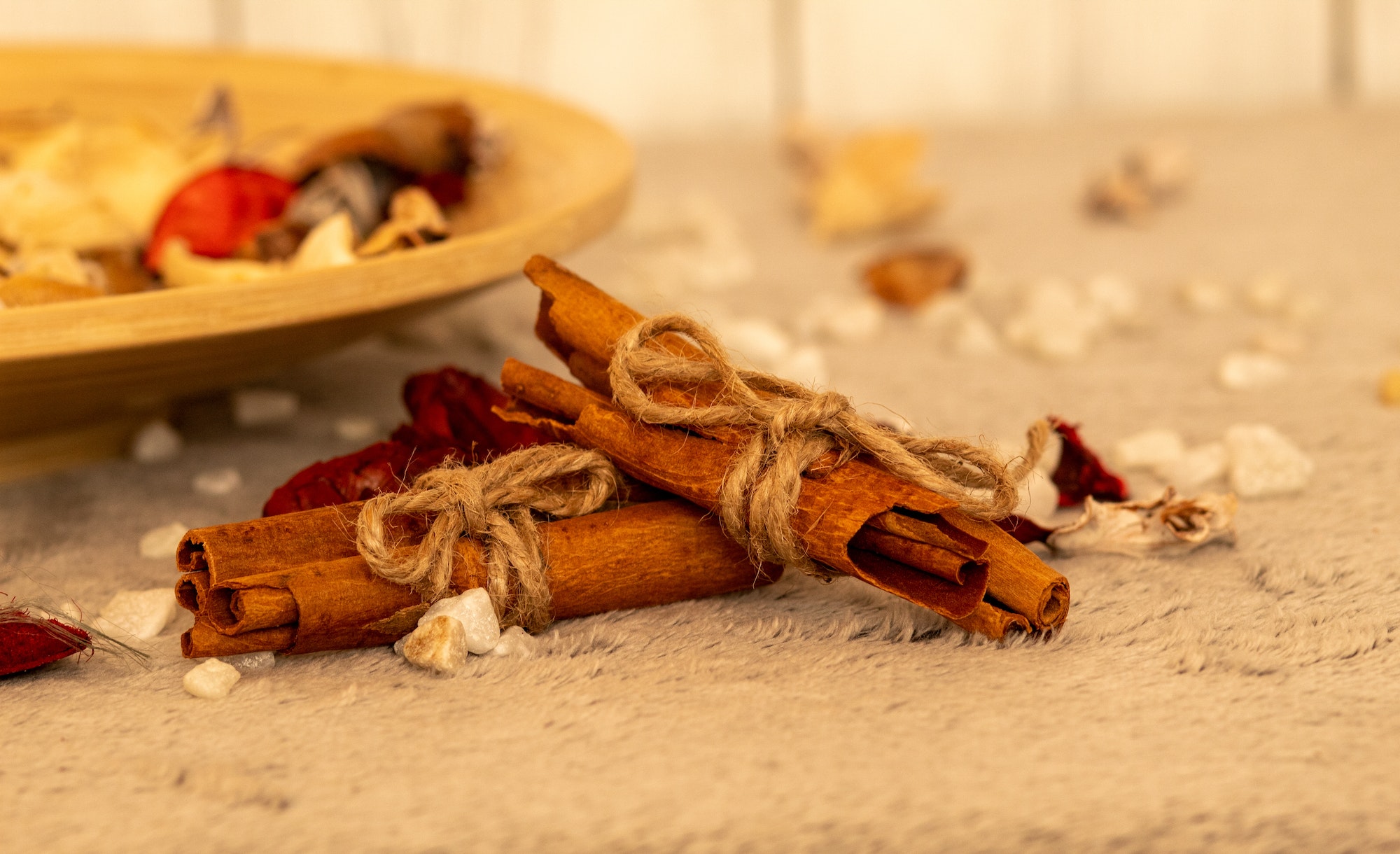
Aromatherapy is a holistic healing practice that uses essential oils and other aromatic compounds to promote physical and emotional well-being. This practice has been around for centuries, with evidence of its use dating back to ancient civilizations. Today, aromatherapy is a popular complementary therapy used in various settings, including spas, hospitals, and homes.
The origins of aromatherapy can be traced back more than 3,500 years to ancient civilizations in Egypt, China, and India. These cultures used aromatic plants and oils for medicinal and spiritual purposes, and the practice spread throughout the world over time. In the Middle Ages, aromatherapy was combined with religion, mysticism, and magic, and it was used to treat a wide range of ailments. Today, aromatherapy is a well-established practice with a growing body of research supporting its therapeutic benefits.
Aromatherapy has been used for centuries in various cultures worldwide. The use of essential oils extracted from plants for medicinal purposes dates back to ancient times. The following subsections provide a brief overview of the origins of aromatherapy in different cultures.
The use of essential oils in Ancient Egypt can be traced back to over 5000 years ago. Egyptians used essential oils for various purposes, including religious ceremonies, beauty treatments, and medicinal purposes. They believed that essential oils had healing properties and used them to treat various ailments. Egyptians used oils such as rose, frankincense, and calamus for their medicinal properties.
The use of aromatherapy in China and India dates back to over 3000 years ago. In China, the use of essential oils was primarily for medicinal purposes. The Chinese used oils such as cinnamon and huang ti for their therapeutic properties. In India, aromatherapy was used as part of Ayurvedic medicine. Essential oils were believed to balance the body’s energy and promote healing.
The Greeks and Romans also used essential oils for medicinal purposes. Greek mythology mentions the use of essential oils, and Hippocrates, the father of modern medicine, used aromatherapy as part of his treatments. The Romans used essential oils in their public baths and believed that they had medicinal properties. The Roman physician, Dioscorides, wrote about the use of essential oils in his book “De Materia Medica.”
Aromatherapy has a rich history that dates back thousands of years. From Ancient Egypt to Greece and Rome, essential oils have been used for their therapeutic properties. The use of aromatherapy continues to this day, and its popularity is on the rise.
During the Middle Ages, aromatherapy continued to be a popular practice. During this time, Avicenna, a physician and philosopher, introduced the process of distillation, which is still used today to extract essential oils from herbs, plants, and fruits. He also wrote extensive instructions on how to use plants and essential oils, including massage, to support health.
Islamic scholars played a significant role in the development of aromatherapy during the Middle Ages. They translated the works of Greek and Roman physicians and combined them with their own knowledge of medicine, botany, and alchemy. The Islamic Golden Age was a period of great intellectual and cultural growth, and it was during this time that many of the essential oils we use today were first discovered and extracted.
In Europe, aromatherapy was primarily used by the clergy and the wealthy. The use of aromatic herbs and oils was seen as a way to purify the body and the soul. The Catholic Church also used aromatherapy in their religious rituals, such as anointing oils for the sick. Latin was the language of the Church, and many of the essential oils used in aromatherapy today still have Latin names.
During the Black Death, which ravaged Europe in the 14th century, aromatherapy was used as a form of antiseptic protection. The Knights of Crusades brought aromatic essences to Europe, and herbs like cinnamon and cloves were placed in a mask over doctors’ faces in an attempt to filter the air.
In conclusion, aromatherapy was an important part of medicine and culture during the Middle Ages. Islamic scholars played a significant role in its development, and it was used by both the clergy and the wealthy in Europe. Today, we still use many of the essential oils that were first discovered and extracted during this time.
Modern aromatherapy has its roots in the work of French chemist René-Maurice Gattefossé, who is credited with coining the term “aromatherapy” in the early 20th century. Gattefossé discovered the healing properties of lavender oil when he applied it to a burn on his hand and found that it healed quickly and without scarring. He went on to study the properties of other essential oils and their effects on the body and mind.
Another influential figure in the development of modern aromatherapy is Jean Valnet, a French physician who used essential oils in the treatment of wounded soldiers during World War II. Valnet’s work helped to establish the scientific basis for aromatherapy and its use in modern medicine. Today, France remains a major center for the production of essential oils, particularly in the region of Grasse.
Aromatherapy has since expanded globally, with practitioners and researchers around the world exploring the potential benefits of essential oils. In England, modern aromatherapy was developed by Pierre Franchomme, who studied under Valnet and established the first aromatherapy clinic in the country. Today, aromatherapy is used in a variety of settings, from spas and wellness centres to hospitals and the pharmaceutical industry.
While essential oils are not a substitute for modern medicine, they are increasingly recognized for their potential therapeutic benefits. Research has shown that certain essential oils can help to reduce stress and anxiety, improve sleep quality, and alleviate pain and inflammation. As interest in natural and complementary therapies continues to grow, aromatherapy is likely to play an increasingly important role in promoting health and well-being.
Aromatherapy is a holistic healing practice that uses essential oils extracted from plant materials to promote physical and emotional well-being. There are several methods of aromatherapy, including distillation and massage.
Distillation is the most common method of extracting essential oils from plant materials. It involves heating the plant material with water or steam, which causes the essential oils to vaporize. The vapour is then collected and condensed, resulting in pure essential oil.
Steam distillation is the most popular form of distillation used in aromatherapy. It involves passing steam through the plant material, which causes the essential oils to vaporize. The vapour is then collected and condensed, resulting in a pure essential oil.
Massage is another popular method of aromatherapy. It involves the application of essential oils to the skin through massage techniques. The oils are absorbed into the bloodstream through the skin, providing therapeutic benefits.
Massage can be performed using a variety of techniques, including Swedish massage, deep tissue massage, and reflexology. The choice of technique depends on the individual’s needs and preferences.
Aromatherapy massage can be performed by a trained therapist or at home using a massage oil blend. When using a massage oil blend at home, diluting the essential oils with a carrier oil is important to avoid skin irritation.
In addition to distillation and massage, essential oils can also be used in perfume and perfumery. Perfumers use essential oils to create fragrances that evoke specific emotions and moods. However, it is important to note that not all essential oils are suitable for use in perfumery, as some can cause skin irritation or sensitization.
Overall, aromatherapy is a versatile and effective healing practice that offers a range of methods for incorporating essential oils into daily life.
Lavender is one of the most popular essential oils used in aromatherapy. It is derived from the flowers of the lavender plant and has a sweet, floral aroma. Lavender is known for its calming properties and is often used to help reduce stress and anxiety. It is also believed to have antiseptic and anti-inflammatory properties, making it a popular choice for treating minor cuts and burns.
Rose essential oil is derived from the petals of the rose flower. It has a sweet, floral scent and is often used in aromatherapy to help reduce stress and promote relaxation. Rose oil is also believed to have anti-inflammatory and antibacterial properties, making it a popular choice for treating skin conditions such as acne and eczema.
Frankincense essential oil is derived from the resin of the Boswellia tree. It has a woody, spicy aroma and is often used in aromatherapy to help reduce stress and promote relaxation. Frankincense is also believed to have anti-inflammatory and anti-cancer properties, making it a popular choice for treating a variety of health conditions.
Cedarwood essential oil is derived from the wood of the cedar tree. It has a woody, earthy aroma and is often used in aromatherapy to help reduce stress and promote relaxation. Cedarwood is also believed to have antiseptic and anti-inflammatory properties, making it a popular choice for treating skin conditions such as acne and eczema.
Juniper essential oil is derived from the berries of the juniper tree. It has a fresh, woody aroma and is often used in aromatherapy to help reduce stress and promote relaxation. Juniper is also believed to have antiseptic and anti-inflammatory properties, making it a popular choice for treating skin conditions such as acne and eczema.
Chamomile essential oil is derived from the flowers of the chamomile plant. It has a sweet, floral aroma and is often used in aromatherapy to help reduce stress and promote relaxation. Chamomile is also believed to have anti-inflammatory and antibacterial properties, making it a popular choice for treating skin conditions such as eczema and psoriasis.
Peppermint essential oil is derived from the leaves of the peppermint plant. It has a strong, minty aroma and is often used in aromatherapy to help reduce stress and promote relaxation. Peppermint is also believed to have antiseptic and anti-inflammatory properties, making it a popular choice for treating skin conditions such as acne and eczema.
Overall, these key plants and oils have been used for centuries in aromatherapy for their various therapeutic properties. They are popular choices for treating a variety of health conditions and promoting relaxation and well-being.
Aromatherapy has been used for medicinal purposes for thousands of years. Essential oils for internal medicine are not recommended, but they can be used externally for various conditions. Essential oils have antibacterial, antifungal, and antiviral properties, which can help fight infections. They can also help relieve pain, inflammation, and spasms.
Some essential oils, such as lavender and chamomile, have a calming effect on the body and can help reduce stress and anxiety. Peppermint oil has been shown to help relieve headaches and improve digestion. Eucalyptus oil is often used to help relieve respiratory conditions such as asthma and bronchitis.
Essential oils are commonly used in skincare products due to their antibacterial and anti-inflammatory properties. Tea tree oil, for example, is often used to treat acne and other skin conditions. Rose oil is known for its moisturising and anti-ageing properties.
When using essential oils for skincare, it is important to dilute them properly and to avoid using them on broken or irritated skin. Some essential oils can be photosensitive and should not be used before exposure to sunlight.
Aromatherapy has been used in religious and spiritual practices for centuries. In ancient Egypt, essential oils were used in religious ceremonies and for embalming. Frankincense and myrrh were among the most highly valued oils in ancient times and were used for their healing and spiritual properties.
In traditional Chinese medicine, aromatherapy is used to balance the body’s energy and to promote healing. In Hinduism, essential oils are used in Ayurvedic medicine to treat various conditions and to promote overall health and well-being.
Overall, aromatherapy has a long history of use for medicinal, skincare, and religious purposes. While essential oils can be beneficial when used properly, it is important to consult with a qualified practitioner before using them for medicinal purposes.
Despite its popularity, aromatherapy has faced several challenges and controversies over the years. Some of the main issues include:
One of the aromatherapy industry’s biggest challenges is the lack of quality control. As natural products, essential oils are subject to quality variations due to climate, soil conditions, and harvesting methods. This can make it difficult to ensure consistency in the products being sold, and some oils may be adulterated or diluted with other substances.
Many aromatherapy companies have implemented quality control measures such as third-party testing and certifications to address this issue. However, there is still a need for greater regulation and standardization in the industry.
While essential oils are generally considered safe when used correctly, some safety concerns are associated with their use. For example, some oils can cause skin irritation or allergic reactions; others may be toxic if ingested.
It is important to use essential oils in moderation and follow proper safety guidelines to minimise the risk of adverse effects. This includes diluting oils before use, avoiding certain oils during pregnancy or if you have certain medical conditions, and keeping oils out of reach of children.
Aromatherapy is often used in cosmetics and personal care products, but there have been controversies surrounding the use of certain ingredients. For example, some fragrances and preservatives commonly used in cosmetics have been linked to skin irritation, allergic reactions, and other health concerns.
Many companies are turning to natural and organic ingredients in their products to address these issues. However, there is still a need for greater transparency and education about the use of chemicals in cosmetics.
In summary, while aromatherapy has many benefits, it is important to be aware of the industry’s challenges and controversies. By staying informed and following proper safety guidelines, individuals can enjoy the benefits of essential oils while minimizing the risks.

Born and raised in the serene landscape of Swansea, Wales, Carina Rounder grew up with a keen interest in the healing arts. The idyllic backdrop of her hometown, with its verdant hills and crystal-clear waters, deeply influenced her passion for natural remedies and holistic health.
Carina boasts an impressive educational background. She holds a Level 3 Diploma in Complementary Therapies, specializing in aromatherapy. This intensive qualification has allowed her to delve deep into the intricacies of essential oils, learning their aromatic properties and their therapeutic effects on the human body and mind.
With over a decade of experience in the field, Carina has become one of the most sought-after aromatherapists in Wales. She runs a successful practice in Swansea, offering a range of treatments from traditional aromatherapy massages to bespoke essential oil blends designed to address individual client needs.
A prolific writer, Carina has penned several authoritative books and articles on the subject of aromatherapy. These works are widely regarded as essential reads for both newcomers to the discipline and seasoned practitioners. With a gift for making complex topics accessible, she has garnered a substantial following among those looking to harness the power of essential oils in their daily lives.
Carina firmly believes in the holistic approach to wellness. To her, aromatherapy is not just about pleasant fragrances; it’s about nurturing the soul, invigorating the senses, and harmonizing the body’s natural rhythms. She often emphasizes the importance of sourcing ethically produced and pure essential oils, asserting that the purity of the oil is pivotal to its effectiveness.

