


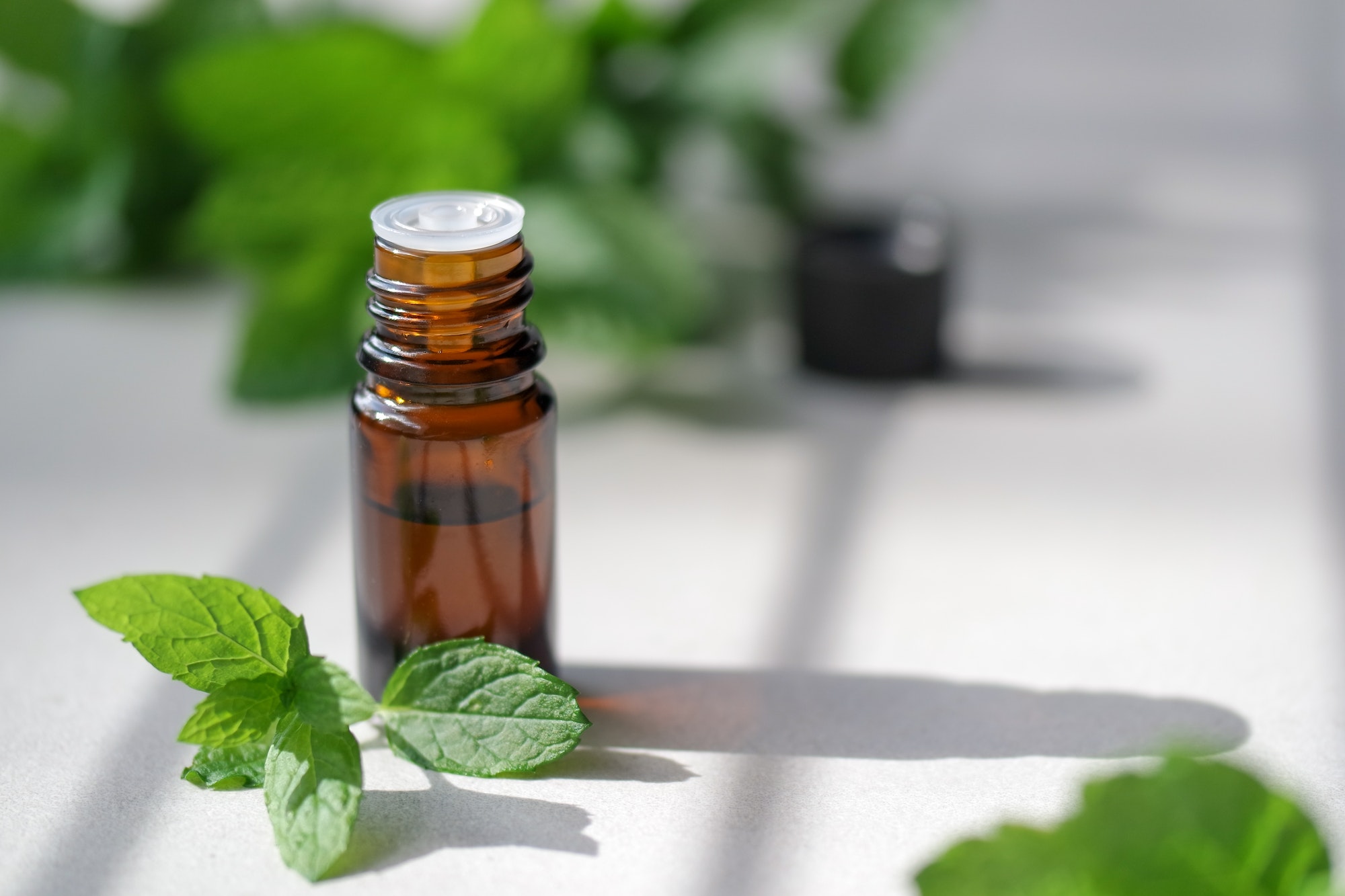
Peppermint essential oil is a popular oil in the world of aromatherapy due to its refreshing scent and numerous benefits. Extracted from the peppermint plant, Mentha x piperita, peppermint essential oil has been used for centuries for its medicinal and therapeutic properties.
£4.50 – £69.95Price range: £4.50 through £69.95
The World of Aromatherapy’s Peppermint Essential Oil
🍃 Dive into the invigorating embrace of our Peppermint Essential Oil, a burst of freshness in every drop.
❄️ Known for its cool, crisp essence, Peppermint rejuvenates the senses and revitalises the spirit.
🌬️ Unwind and uplift as this potent oil provides clarity of mind and a soothing touch to tired muscles.
🧘 Perfect for those seeking a momentary escape, its minty aroma provides an instant refresh, making it a must-have in any relaxation routine.
💙 Trust in The World of Aromatherapy’s Peppermint Essential Oil for a truly refreshing and therapeutic experience.
Latin Name : Mentha Piperita.
Part Of Plant Used : Flowering Herb.
Source : India.
Extraction Method : Steam Distillation.
Peppermint Essential Oil is said to be good for ailments like asthma, colic, fever, flatulence, headache, nausea, chest congestion and vertigo. This oil is supposed to be excellent for mental fatigue and depression, refreshing and stimulating with its menthol content. It is good for the ski and is used in lotions to treat sunburn, itchiness or inflamed skin. It helps fight bad breath and gum infections when used in mouthwashes. When used in an oil burner it is not only therapeutic it also keeps away mosquitoes and other insects.
Peppermint is native to the Mediterranean but is now grown in other countries in Europe, America, and Asia. Discoveries prove that peppermint has been used since ancient times in Egypt, Greece, Rome, China and Japan. According to Greek myth, a nymph called Mentha was turned, in a fit of anger, into a mint plant by her lover’s wife Persephone. According to Pliny, peppermint was used to crown the Greeks and Romans during feasts. It has been used medicinally in England for the last few centuries.
| Weight | 0.04 kg |
|---|---|
| Size | 10ml, 50ml, 500ml |
You must be logged in to post a review.


Peppermint essential oil is a popular oil in the world of aromatherapy due to its refreshing scent and numerous benefits. Extracted from the peppermint plant, Mentha x piperita, peppermint essential oil has been used for centuries for its medicinal and therapeutic properties.
The history and origin of peppermint essential oil dates back to ancient Egyptian times, where it was used for its healing properties. It was also used in Greek and Roman cultures for its digestive benefits. Peppermint essential oil is extracted through steam distillation of the leaves and stems of the peppermint plant. It is composed of various compounds, including menthol, menthone, and limonene, which give it its distinct aroma and therapeutic properties.
Peppermint essential oil is a popular and versatile oil that has been used for centuries for its various therapeutic properties. The oil is extracted from the leaves of the peppermint plant, which is a hybrid of watermint and spearmint. It is believed that peppermint has been used since ancient times, with records of its use dating back to ancient Egypt, Greece, and Rome.
The ancient Egyptians used peppermint for its digestive properties, while the Greeks and Romans used it for its refreshing and cooling effects. The herb was also used as a natural remedy for headaches, nausea, and other ailments.
Peppermint was first formally recognised and scientifically classified in the mid-1700s in England. It wasn’t until the middle of the 18th century that peppermint was cultivated for its medicinal properties in Western Europe and England. Peppermint is thought to be a native English plant and possibly a hybrid between M. spicata and M. aquatica.
Today, peppermint essential oil is widely used in aromatherapy and natural medicine for its many benefits. It is known for its cooling and soothing effects on the body, as well as its ability to promote mental clarity and focus. The oil is also commonly used to relieve headaches, soothe sore muscles, and aid in digestion.
Overall, the history and origin of peppermint essential oil is rich and varied, with a long tradition of use in various cultures throughout history. Its many therapeutic properties make it a valuable addition to any aromatherapy or natural medicine toolkit.
Peppermint essential oil is extracted from the leaves of the peppermint plant using traditional methods such as steam and hydrodistillation. Other extraction methods include solvent and soxhlet. Studies have shown that the soxhlet method yields the highest oil extraction.
The composition of peppermint essential oil includes numerous constituents such as aldehydes, hydrocarbons, and lactones including menthol and menthone. Menthol is the most abundant component in peppermint oil, accounting for about 30-55% of the total oil content. Menthone is another important component, accounting for about 20-31% of the total oil content.
The chemical composition of peppermint essential oil can vary depending on factors such as the extraction method, the plant variety, and the geographical location. For example, studies have shown that the menthol content in peppermint oil extracted from plants grown in different regions can vary significantly.
In addition to menthol and menthone, other components found in peppermint essential oil include pulegone, cineole, limonene, and phellandrene. The exact composition of peppermint essential oil can be determined using gas chromatography-mass spectrometry (GC-MS) analysis.
Overall, the composition of peppermint essential oil is complex and varied, with numerous components that contribute to its unique aroma and therapeutic properties.
Aromatherapy is a holistic practice that uses essential oils to promote physical and emotional well-being. One of the most popular essential oils for mood enhancement is peppermint oil.
Peppermint oil has a refreshing and energising aroma that can help to improve mental clarity and focus. When inhaled, the scent of peppermint oil can stimulate the brain and promote feelings of alertness and wakefulness.
Studies have shown that peppermint oil can also help to reduce feelings of anxiety and stress. Inhaling the scent of peppermint oil may help to lower levels of the stress hormone cortisol, which can have a calming effect on the body and mind.
Peppermint oil can be used in a variety of ways to promote mood enhancement. One popular method is to diffuse the oil in an aromatherapy diffuser. This allows the scent to be dispersed throughout a room, creating a calming and energising atmosphere.
Another way to use peppermint oil is to apply it topically. When diluted with a carrier oil, such as coconut or jojoba oil, peppermint oil can be massaged into the skin to promote relaxation and reduce feelings of stress and anxiety.
Overall, peppermint oil is a versatile and effective essential oil for mood enhancement. Its refreshing aroma and energising properties make it a popular choice for those looking to improve mental clarity, increase energy levels, and reduce feelings of stress and anxiety.
Peppermint essential oil is extracted from the peppermint plant, which is a hybrid of spearmint and water mint. It has been used for centuries to treat a variety of health conditions. Here are some of the health benefits associated with peppermint essential oil:
Peppermint essential oil has been found to be effective in reducing nausea and vomiting. It is often used to alleviate the symptoms of motion sickness, morning sickness, and chemotherapy-induced nausea. A study published in the Journal of Advanced Nursing found that inhaling peppermint essential oil reduced the severity of nausea in postoperative patients.
Peppermint essential oil has analgesic and anti-inflammatory properties that make it effective in relieving headaches and migraines. It is often used as a natural alternative to over-the-counter painkillers. A study published in the International Journal of Neuroscience found that applying peppermint essential oil to the temples and forehead significantly reduced the severity of tension headaches.
Peppermint essential oil has been found to be effective in alleviating a range of digestive issues, including irritable bowel syndrome (IBS), abdominal pain, heartburn, constipation, bloating, and indigestion. A study published in the Journal of Gastroenterology found that peppermint essential oil was effective in reducing symptoms of functional dyspepsia, a condition that causes recurring indigestion and stomach pain.
Peppermint essential oil has analgesic and anti-inflammatory properties that make it effective in relieving muscle and joint pain. It is often used to alleviate the symptoms of arthritis, fibromyalgia, and other conditions that cause chronic pain. A study published in the Journal of Pain found that applying peppermint essential oil topically reduced the severity of pain in patients with chronic tension headaches.
Peppermint essential oil has a calming effect that makes it effective in reducing stress and anxiety. It is often used in aromatherapy to promote relaxation and improve mental clarity. A study published in the International Journal of Neuroscience found that inhaling peppermint essential oil reduced the symptoms of anxiety in patients undergoing colonoscopy.
Overall, peppermint essential oil has a range of health benefits that make it a popular natural remedy for a variety of health conditions. However, it is important to use it safely and in moderation, as it can cause skin irritation and other adverse effects if used improperly.
Peppermint essential oil has been used for centuries for its various health benefits. One of its most popular uses is in skincare. Peppermint oil has anti-inflammatory, antiseptic, and astringent properties, making it an ideal ingredient for skincare products.
Peppermint oil can help soothe skin irritation, itching, and redness. It can also help clear acne-prone skin by reducing inflammation and controlling oil production. However, it should be noted that peppermint oil should never be applied directly to the skin, especially if it is cut or broken. It should always be diluted with a carrier oil before use.
Peppermint oil can also help with allergic reactions. Its cooling properties can help reduce swelling and redness caused by an allergic reaction. However, it is important to note that peppermint oil can also cause allergic reactions in some people. It is always recommended to do a patch test before using any new skincare product containing peppermint oil.
When using skincare products containing peppermint oil, it is important to follow the instructions carefully. Overuse of peppermint oil can cause skin irritation and dryness. It is also recommended to avoid using peppermint oil on sensitive skin.
Overall, peppermint essential oil can be a beneficial ingredient in skincare products. Its anti-inflammatory and antiseptic properties can help soothe and clear the skin. However, it should always be used with caution and in moderation to avoid any adverse effects.
Peppermint essential oil is one of the most popular oils used for hair care. It contains menthol, which has a cooling and soothing effect on the scalp. Peppermint oil is known to stimulate hair growth and increase blood circulation to the scalp. Here are some ways to use peppermint essential oil for hair care:
Peppermint oil has been found to be effective in promoting hair growth. It contains menthol, which increases blood flow to the scalp, promoting hair growth. Peppermint oil also contains antimicrobial properties that help to keep the scalp clean and free from infections. To use peppermint oil for hair growth, mix a few drops of peppermint oil with a carrier oil like coconut oil and massage it into the scalp.
Peppermint oil has a cooling effect on the scalp, which can help to soothe an itchy scalp. It also has anti-inflammatory properties that can help to reduce inflammation and irritation on the scalp. To use peppermint oil for an itchy scalp, mix a few drops of peppermint oil with a carrier oil and massage it into the scalp.
Peppermint oil has antifungal and antimicrobial properties that can help to control dandruff. It also has a soothing effect on the scalp, which can help to reduce the itchiness associated with dandruff. To use peppermint oil for dandruff, mix a few drops of peppermint oil with a carrier oil and massage it into the scalp.
Peppermint oil can help to add shine to hair. It contains menthol, which helps to close the hair cuticles, making the hair appear shinier. To use peppermint oil for shiny hair, mix a few drops of peppermint oil with a carrier oil and apply it to the hair before shampooing.
Peppermint oil has been found to be effective in reducing hair loss. It contains menthol, which increases blood flow to the scalp, promoting hair growth. Peppermint oil also has a soothing effect on the scalp, which can help to reduce stress and anxiety, which are known to contribute to hair loss. To use peppermint oil for hair loss, mix a few drops of peppermint oil with a carrier oil and massage it into the scalp.
Peppermint essential oil has long been used for its digestive benefits. It is believed to have antispasmodic, carminative, and anti-inflammatory properties that help alleviate symptoms of various digestive conditions. Here are some ways peppermint essential oil can be used for digestive health:
Peppermint essential oil can be used in various forms, such as tea, capsule, or tablet. It is important to note that some people may experience side effects from using peppermint essential oil, such as dry mouth, so it is best to consult with a healthcare provider before using it for digestive conditions. Additionally, it is important to use high-quality, pure peppermint essential oil to ensure its effectiveness and safety.
Overall, peppermint essential oil can be a beneficial addition to a holistic approach to digestive health, but it is important to use it with caution and under the guidance of a healthcare provider.
Peppermint Essential Oil is generally considered safe when used appropriately. However, there are some safety precautions and side effects to be aware of when using this oil.
It is important to use Peppermint Essential Oil safely and appropriately to avoid any adverse reactions. If you experience any side effects or have any concerns, it is recommended to stop using the oil and consult a healthcare professional. The FDA does not regulate essential oils, so it is important to purchase from a reputable source and follow the manufacturer’s instructions for use. The NCCIH and ODS provide further information on the safety and efficacy of essential oils.
Peppermint essential oil is a versatile and popular oil that can be used in a variety of ways. It has a strong and refreshing minty aroma that is both invigorating and calming. Here are some of the common uses of peppermint essential oil:
Peppermint oil is commonly used in aromatherapy as it has a refreshing and invigorating scent. It can be diffused in a room or added to a personal inhaler to help improve mental clarity and focus. It can also be used to help reduce stress and anxiety.
Peppermint oil can be applied topically when diluted with a carrier oil, such as coconut or jojoba oil. It can be used to help relieve muscle and joint pain, as well as headaches and migraines. It can also be used to help reduce inflammation and itching associated with insect bites and stings.
Peppermint oil can be added to toothpaste or mouthwash to help freshen breath and promote oral health. It has antibacterial properties that can help kill harmful bacteria in the mouth. However, it should not be used undiluted or ingested.
Peppermint oil can be added to a warm bath or used in a massage oil to help relieve muscle tension and promote relaxation. It can also be used to help improve circulation and reduce the appearance of cellulite.
Peppermint oil can be added to soap and skincare products to help improve skin health. It has antiseptic and antimicrobial properties that can help kill bacteria and reduce acne. It can also help soothe and cool irritated skin.
Overall, peppermint essential oil is a versatile oil that can be used in many different ways to promote health and wellbeing. However, it is important to use it safely and properly, and to avoid using it undiluted or ingesting it.
Peppermint essential oil is a versatile oil that blends well with a variety of other essential oils. Its refreshing and invigorating aroma can be paired with floral, spicy, or citrus oils to balance its freshness.
One popular pairing for peppermint essential oil is with lavender essential oil. Lavender’s calming properties complement peppermint’s invigorating scent, creating a wonderful blend that can help soothe stress and anxiety.
Another great pairing for peppermint is with lemon essential oil. The combination of these two oils creates a refreshing, energizing scent that can help improve focus and concentration.
Peppermint essential oil can also be blended with coconut oil to create a soothing massage oil. The cooling properties of peppermint can help relieve sore muscles and tension, while the moisturizing properties of coconut oil can help nourish the skin.
Here are some other essential oils that blend well with peppermint:
When blending peppermint essential oil with other oils, it’s important to use a carrier oil to dilute the mixture. This can help prevent skin irritation and ensure that the blend is safe to use. Popular carrier oils include coconut oil, jojoba oil, and sweet almond oil.
Overall, peppermint essential oil is a versatile oil that can be blended with a variety of other oils to create unique and effective blends. Whether you’re looking to soothe stress, improve focus, or relieve sore muscles, peppermint essential oil can be a valuable addition to your aromatherapy toolkit.
Peppermint essential oil (PEO) has been the subject of numerous research studies due to its potential therapeutic properties. Here are some of the findings from recent research.
PEO has been found to have beneficial effects on respiratory conditions such as the common cold, sinusitis, and bronchitis. A study conducted on adolescents with bronchitis found that inhaling PEO vapour significantly improved their symptoms and reduced the need for medication.
PEO has been shown to have a positive effect on digestive issues such as colic. A study conducted on infants with colic found that PEO significantly reduced their symptoms when compared to a placebo.
PEO has also been found to have potential benefits for chronic itching. A study conducted on patients with chronic itching found that PEO significantly reduced their symptoms when compared to a placebo.
PEO has also been studied for its potential benefits in other areas such as pain relief, cognitive function, and as an insect repellent. However, more research is needed in these areas to fully understand the potential benefits of PEO.
Overall, research on PEO suggests that it may have potential therapeutic benefits for a variety of conditions. However, more research is needed to fully understand its effects and to determine the best ways to use it.
Peppermint essential oil is known for its ability to repel a variety of insects. Its strong, refreshing scent is particularly effective in keeping spiders, ants, cockroaches, and mice at bay. The oil contains menthol, which gives it a cooling and soothing effect, and is also responsible for its insect-repelling properties.
When applied to surfaces, peppermint oil creates an invisible barrier that insects find unpleasant, deterring them from entering the area. It is a natural and safe alternative to chemical insecticides, which can be harmful to both humans and pets.
Peppermint oil is particularly effective in repelling spiders. Spiders are known to dislike the scent of peppermint and will avoid areas where it is present. This makes it an excellent choice for those who are looking for a natural way to keep spiders out of their homes and gardens.
In addition to repelling insects, peppermint oil has many other benefits. It is commonly used to relieve headaches, soothe sore muscles, and aid digestion. It is also a popular ingredient in many cosmetic and skincare products due to its refreshing and cooling properties.
Overall, peppermint essential oil is a versatile and effective natural insect repellent that can also provide a range of other benefits. Its refreshing scent and cooling properties make it a popular choice for those looking for a natural alternative to chemical insecticides.


Reviews
There are no reviews yet.