

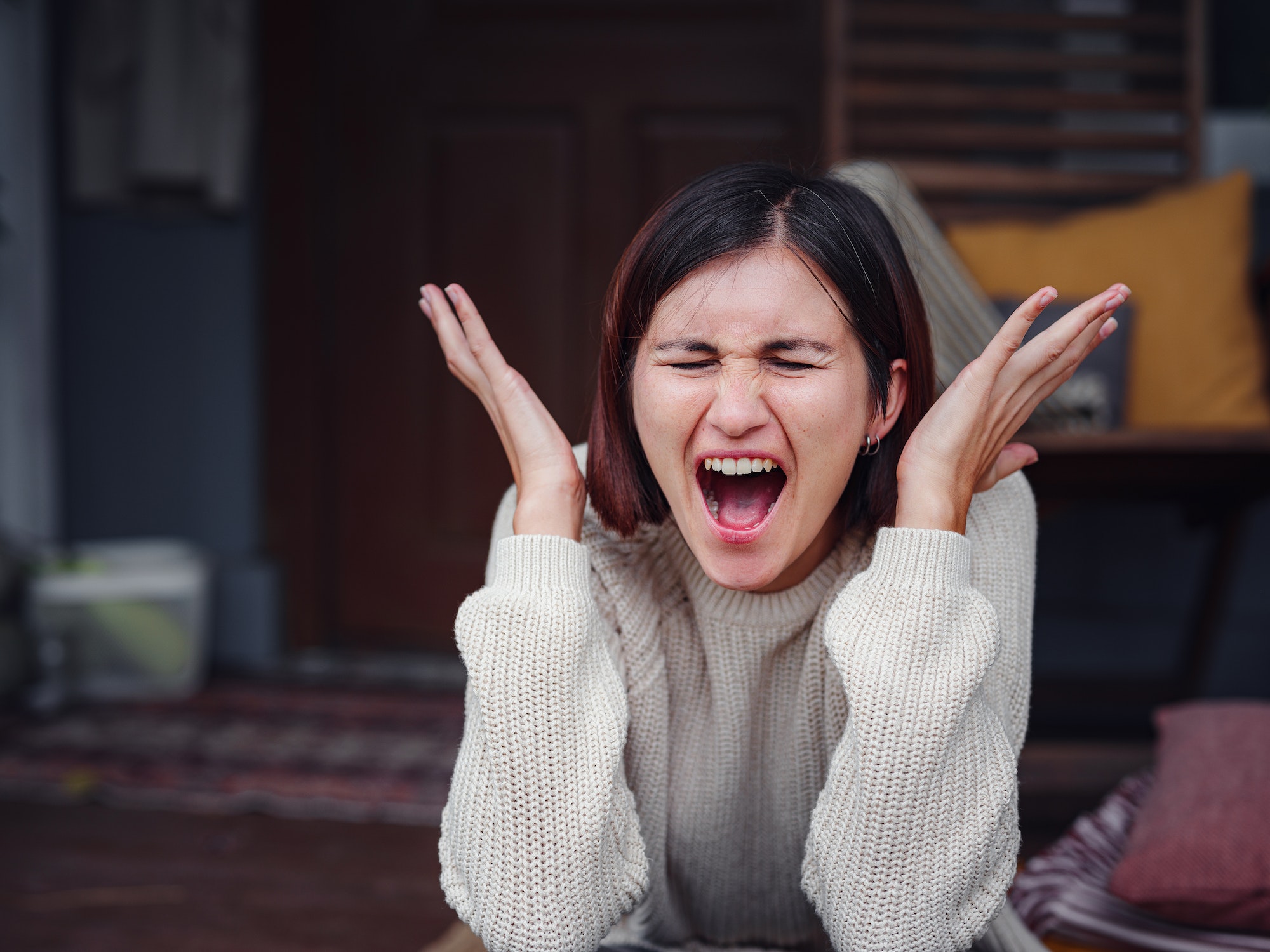
Anxiety is a common emotional and psychological condition that affects many individuals. It can manifest in different ways and significantly impact daily life. In this section, we will explore what anxiety is, its symptoms, and the impact it can have on daily life.
Anxiety is an intense feeling of fear, worry, and unease that is often accompanied by physical sensations. It is a natural response to stress or danger, but for some individuals, anxiety can become excessive and persistent, interfering with their ability to function and enjoy life.
Anxiety can arise from various factors, including genetic predisposition, traumatic experiences, or ongoing stressors. It can affect individuals of all ages and backgrounds, and the severity of anxiety can vary from mild to debilitating.
Anxiety can manifest through a range of physical, emotional, and cognitive symptoms. These symptoms may include:
The symptoms of anxiety can be distressing and impact various aspects of a person’s life, including work, relationships, and overall well-being.
Living with anxiety can significantly affect daily life and overall quality of life. It can hinder social interactions, limit participation in activities, and lead to a decreased sense of enjoyment and fulfilment. Anxiety can also contribute to difficulties in concentration, decision-making, and productivity.
Furthermore, anxiety may lead to the development of coping mechanisms or avoidance strategies, which can further restrict an individual’s life experiences. It is important to address anxiety and seek appropriate support to effectively manage its impact on daily life.
Understanding anxiety and its effects is essential when considering approaches to alleviate its symptoms. One potential method that has gained popularity is the use of essential oils for anxiety. In the following sections, we will delve into aromatherapy and the benefits of using essential oils as a natural approach to help relieve anxiety.
Aromatherapy, an ancient practice that utilizes the aromatic properties of essential oils, has gained recognition as a natural approach to anxiety relief. By understanding how aromatherapy works and the benefits it offers for anxiety, individuals can explore this soothing and calming technique.
Aromatherapy harnesses the power of scent to influence emotions and promote relaxation. When inhaled, the aromatic molecules of essential oils stimulate the olfactory system, triggering a response in the brain. This response can help modulate mood and reduce anxiety levels.
The olfactory system is closely linked to the limbic system, which significantly regulates emotions and memories. As the aromatic molecules reach the limbic system, they interact with receptors, promoting the release of neurotransmitters such as serotonin and dopamine. These neurotransmitters are associated with feelings of happiness and relaxation, helping to alleviate anxiety.
Aromatherapy offers several benefits for anxiety relief. By incorporating essential oils into your routine, you can experience:
Specific essential oils are often recommended to tap into the anxiety-relieving benefits of aromatherapy. Let’s explore some popular options in the next section: Essential Oils for Anxiety Relief.
By understanding how aromatherapy works and the benefits it offers, individuals can incorporate this holistic practice into their anxiety management routine. Whether through inhalation, topical application, or diffusion, essential oils’ calming and soothing effects can help promote a sense of calm and relaxation in the face of anxiety.
When it comes to using essential oils for anxiety relief, there are several options that have shown promise in promoting calmness and relaxation. Let’s explore some of the popular essential oils known for their anxiety-relieving properties:
Lavender oil is renowned for its soothing and calming effects on both the mind and body. Its gentle floral scent has been used for centuries to promote relaxation and reduce anxiety. Research suggests that lavender oil can help alleviate anxiety symptoms by reducing heart rate and blood pressure. It can be used in various ways, such as diffusing it in a room, adding a few drops to a warm bath, or applying it topically after dilution.
Chamomile oil, derived from the chamomile flower, has been used for centuries as a natural remedy for anxiety and stress. Its sweet and earthy aroma is known for its calming effects on the mind and body. Chamomile oil can be used in aromatherapy by diffusing it or adding a few drops to a carrier oil for a relaxing massage. It is important to note that individuals with ragweed allergies should avoid chamomile oil.
Bergamot oil is extracted from the peel of the bergamot orange fruit and is often used in aromatherapy to relieve anxiety and promote a sense of well-being. Its citrusy and floral aroma is uplifting and can help reduce stress levels. Bergamot oil can be diffused, added to a warm bath, or diluted and applied topically. However, it is important to be cautious with sun exposure after applying bergamot oil topically, as it can increase sensitivity to UV rays.
Ylang-ylang oil, derived from the flowers of the ylang-ylang tree, is known for its sweet, floral scent and its ability to promote relaxation and reduce anxiety. This oil is often used in aromatherapy to create a calming atmosphere. Ylang-ylang oil can be diffused, added to a carrier oil for a soothing massage, or incorporated into homemade bath products for a luxurious experience.
Frankincense oil, obtained from the resin of the Boswellia tree, has been used for centuries for its grounding and calming properties. Its warm and woody aroma is believed to help reduce anxiety and induce feelings of peace and tranquillity. Frankincense oil can be diffused, added to a carrier oil for a relaxing massage, or incorporated into skincare products for its rejuvenating benefits.
Remember, when using essential oils for anxiety relief, it’s essential to follow proper dilution guidelines, patch test for any potential allergic reactions, and consult with a professional if you have any underlying health conditions or are taking medications. Essential oils can be powerful tools for promoting relaxation, but using them safely and responsibly is important.
For more information on essential oils and their various uses, check out our articles on essential oils for headaches, essential oils for sleep, essential oils for allergies, and essential oils for pain relief.
When it comes to utilizing essential oils for anxiety relief, several effective methods exist. Each method offers its own unique benefits and allows for a personalised aromatherapy experience. Some popular methods include inhalation, topical application, diffusion, and massage.
Inhalation is one of the most common and direct methods of using essential oils for anxiety relief. By inhaling the aroma of the oils, you can experience their calming and soothing effects. There are a few ways to practice inhalation:
Topical application involves applying essential oils directly to the skin. This method allows for absorption into the bloodstream, providing a localized and prolonged effect. It’s important to dilute essential oils with carrier oil before applying them topically to prevent skin irritation. Some carrier oils to consider include almond oil, jojoba oil, or coconut oil. Here are a few ways to use essential oils topically:
Diffusing essential oils is a popular method for creating a relaxing ambience and enjoying the benefits of aromatherapy throughout a room. A diffuser disperses the essential oil particles into the air, allowing you to inhale the aroma and experience its anxiety-relieving effects. Follow the instructions provided with your diffuser for the appropriate amount of essential oil and duration of use. Diffusion is especially beneficial in spaces where you spend significant time, such as your bedroom or office.
Combining the benefits of topical application and inhalation, massage with essential oils can provide a deeply relaxing and therapeutic experience. A trained massage therapist can incorporate essential oils into their massage techniques, allowing for the absorption of the oils through the skin while enjoying the aroma. This method not only promotes relaxation but also helps to alleviate muscle tension and reduce stress. If you’re interested in exploring massage techniques with essential oils, consider consulting a professional who specializes in aromatherapy massage.
By incorporating these methods into your aromatherapy routine, you can harness the anxiety-relieving properties of essential oils. Remember always to follow proper dilution guidelines, conduct patch testing to check for any adverse reactions, and consult with a professional if needed. For more information on essential oils and their uses, explore our articles on aromatherapy essential oils.
When using essential oils for anxiety relief, following certain safety precautions and tips is important to ensure a safe and enjoyable aromatherapy experience. Here are some guidelines to keep in mind:
Essential oils are highly concentrated substances and should always be diluted before use. Diluting essential oils in a carrier oil helps to reduce the risk of skin irritation or sensitization. The typical dilution ratio for adults is 2-3 drops of essential oil per teaspoon (5 mL) of carrier oil. However, certain essential oils may require even lower dilutions due to their potency. To ensure safe usage, it’s important to refer to specific dilution guidelines for each essential oil. For more information on dilution, refer to our carrier & base oils section.
Before using any essential oil, it’s recommended to perform a patch test to check for any potential allergic reactions or sensitivities. Dilute a small amount of the essential oil in a carrier oil and apply it to a small area of skin, such as the inner forearm. Monitor the area for 24 hours, looking for any signs of redness, itching, or irritation. If any adverse reactions occur, discontinue the use of the essential oil. Patch testing is especially important for individuals with sensitive skin or a history of allergies.
If you have any underlying health conditions, are pregnant or nursing, or are taking medications, it’s important to consult with a healthcare professional or a certified aromatherapist before using essential oils for anxiety relief. They can provide personalised guidance and ensure the chosen essential oils are safe and suitable for your situation.
To maintain the quality and effectiveness of essential oils, storing them properly is essential. Essential oils should be kept in dark glass bottles, away from direct sunlight and heat sources. Store them in a cool, dry place, and ensure the bottles are tightly sealed to prevent oxidation. Keep essential oils out of reach of children and pets to avoid accidental ingestion.
By following these safety precautions and tips, you can enjoy the benefits of essential oils for anxiety relief without compromising your well-being. Remember always to prioritise safety and seek professional advice when needed. For more information on specific essential oils for various purposes, such as those for headaches or hair growth, refer to our comprehensive collection of articles on aromatherapy.

Georgia’s dedication to the art and science of aromatherapy led her to obtain a Professional Aromatherapy Diploma from the prestigious International Federation of Aromatherapists (IFA). This globally recognized qualification is a testament to her deep knowledge and expertise in essential oils and their therapeutic applications.
For the better part of two decades, Georgia has been an active practitioner, consultant, and advocate of aromatherapy. She operates a flourishing Hull clinic, offering individualized aromatic treatments. Her holistic approach has garnered her a dedicated clientele who trust her keen sense of blending and therapeutic guidance.
As an author, Georgia Collins has contributed to various journals, magazines, and blogs on the subject of aromatherapy. Her writings reflect her passion and in-depth understanding of the subject, making them a favourite among both novices and fellow experts. Her publications are often hailed for their practical insights, backed by scientific understanding and enriched by her hands-on experience.

