

Are you lost in the conundrum of choosing between an oil burner and an aromatherapy diffuser for your space? What’s the buzz, after all, about these two popular tools in the world of aromatherapy, and how do they stack up against one another? In this comprehensive guide, we’ll dissect everything from efficacy to conservation of essential oils, aesthetics to ease-of-use, and much more. By the end, not only will you understand these dynamic devices down to their last whisper of scented steam, but you might just find yourself a new aficionado for one over the other!
While both options provide a way to enjoy essential oils, there are several key differences between aromatherapy diffusers and oil burners. Diffusers use cold water and ultrasonic vibrations to disperse essential oils into the air as fine mist, while oil burners use heat to evaporate oils and release them into the air. Diffusers are often considered safer around children and pets since they don’t require an open flame, can last longer than burners, and require less maintenance. However, oil burners may be more budget-friendly and offer a cosy ambiance with their flickering flames. Ultimately, the choice depends on personal preference, lifestyle considerations, and individual needs.
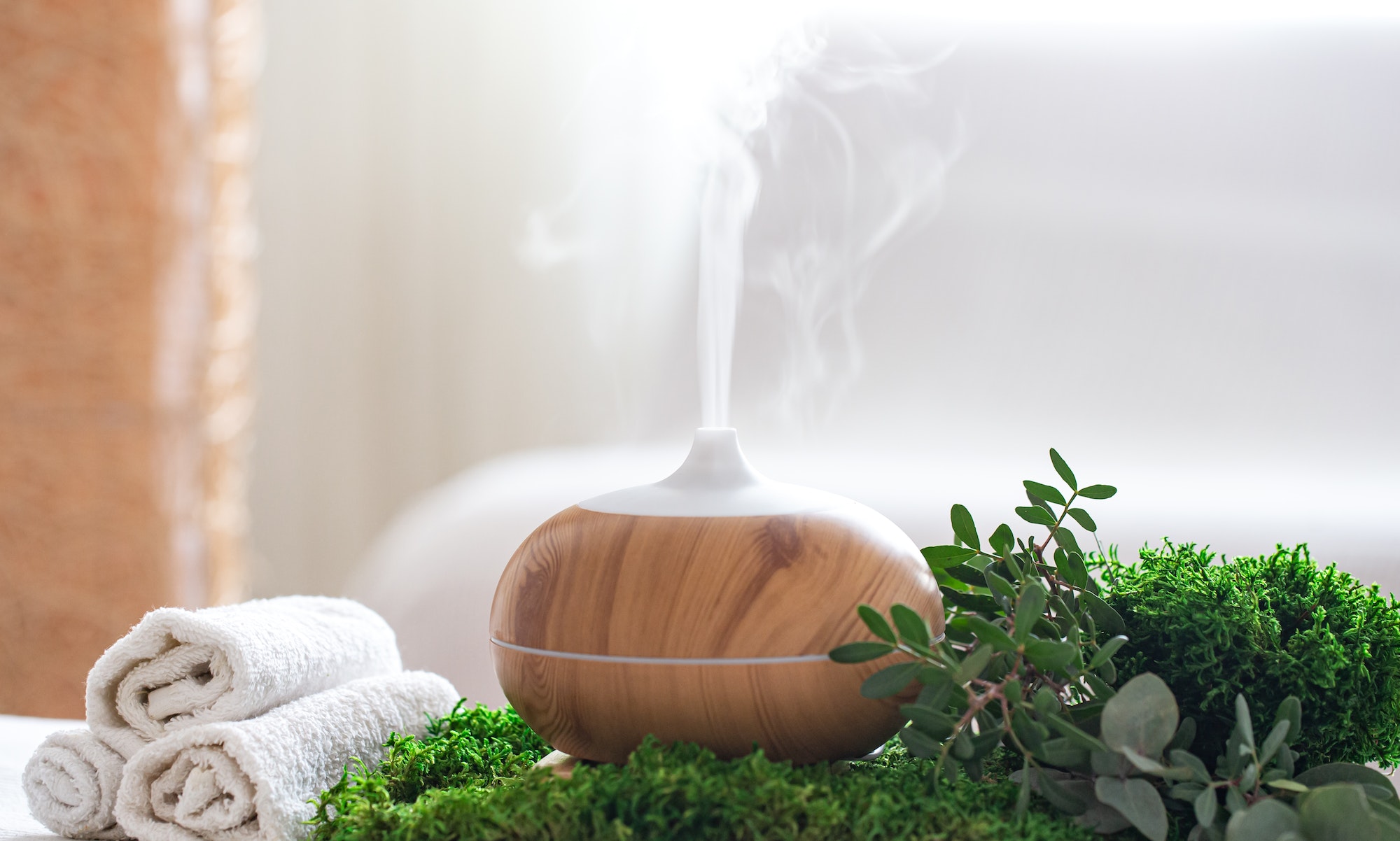
Aromatherapy diffusers have gained tremendous popularity in recent years as a way to enhance our well-being and create a pleasant atmosphere at home or work. These devices allow the dispersal of essential oils into the air, releasing their therapeutic properties and delightful scents. Unlike oil burners that rely on heat to disperse fragrance, diffusers use various mechanisms like ultrasonic vibrations or nebulisation to break down essential oils into smaller particles, which are then dispersed as a fine mist.
The advantages of using aromatherapy diffusers are plentiful. Firstly, they provide a safe and convenient method to enjoy the benefits of essential oils without the need for an open flame, making them safer to use around pets and children. This eliminates the risk of accidental spills or burns that can occur with oil burners. Secondly, diffusers often come with timer settings and automatic shut-offs, allowing for customised duration and intensity of diffusion based on personal preference. This ensures a consistent and uninterrupted fragrance experience without worrying about monitoring it manually.
Moreover, aromatherapy diffusers offer aesthetic appeal by creating a soothing environment through soft ambiance lighting in some models. They can mimic the warm glow of candlelight or provide colour-changing LED lights for added relaxation and visual delight. Many diffuser designs also serve as decorative pieces, seamlessly blending with any space’s interior decor.
While we’ve touched upon some general benefits, let’s now focus specifically on the health and environmental advantages offered by aromatherapy diffusers.
Aromatherapy diffusers not only envelop us in captivating scents but also offer numerous health benefits. When essential oils are dispersed into the air using a diffuser, they can be inhaled and absorbed by our bodies, resulting in a holistic therapeutic experience.
Essential oils have been used for centuries to alleviate stress, boost mood, and promote relaxation. Inhalation of these oils through diffusers can help calm the mind, reduce anxiety, and improve sleep quality. Some essential oils, such as lavender or chamomile, are renowned for their sedative properties, aiding in achieving a restful night’s sleep.
In addition to emotional well-being, diffusing essential oils can enhance respiratory health. Oils like eucalyptus or peppermint possess natural decongestant properties that can help alleviate symptoms of congestion and sinus discomfort. The antimicrobial qualities of certain essential oils may also contribute to purifying the air by eliminating airborne bacteria and viruses.
From an environmental standpoint, aromatherapy diffusers prove to be sustainable alternatives to oil burners. Traditional oil burners require constant replacement of burning candles or tealights, which can produce smoke and soot. This not only contributes to indoor air pollution but also poses fire hazards. Diffusers offer a clean and energy-efficient method of dispersing fragrance without any harmful emissions.
Furthermore, diffusers typically operate using water as a carrier for essential oils instead of chemicals found in synthetic air fresheners. This makes them a more natural choice for those concerned about reducing chemical exposure in their homes or workplaces.
Imagine coming home after a long day, setting up your diffuser with a few drops of invigorating citrus oil, and feeling your stress melt away as the delightful aroma fills the room. Not only is it a refreshing experience for your senses, but also a nourishing one for your well-being.
Having explored the health benefits and environmental advantages of aromatherapy diffusers, let’s now delve into the various types of diffusers available on the market.
Aromatherapy diffusers are innovative tools that allow individuals to experience the therapeutic benefits of essential oils. They work by releasing the aroma and fine particles of essential oils into the air, creating a pleasant scent and promoting a calming environment. There are several types of diffusers available, each with its unique features and benefits.
Ultrasonic Diffusers: These diffusers use ultrasonic vibrations to break down essential oils mixed with water into microscopic particles. This process disperses an aromatic mist into the air, providing both fragrance and moisture. Ultrasonic diffusers are easy to use and often come with adjustable settings for mist intensity and lighting. They are perfect for creating a soothing ambiance in bedrooms or living spaces.
Nebulizing Diffusers: Nebulizing diffusers operate by using pressurised air or small fans to diffuse pure essential oils without dilution. They create a powerful stream of particles that quickly disperse throughout the room, ensuring maximum therapeutic benefits. Nebulising diffusers are ideal for those seeking intense aromatherapy sessions or looking to address specific health concerns.
Heat Diffusers: Heat diffusers rely on heat sources like candles or electric heating elements to warm essential oils gently. As the oils heat up, they release their aroma into the surrounding space. Heat diffusers are simple to use and can create a cosy atmosphere in any room. However, it’s important to note that high temperatures may alter the chemical composition of some essential oils, so caution should be exercised when using heat diffusers.
Evaporative Diffusers: In evaporative diffusers, essential oils are placed on a material such as a cloth or pad, which allows them to evaporate into the air naturally. These diffusers usually require airflow from fans or simply exposure to air currents for effective diffusion. While evaporative diffusers are generally cost-effective and portable, they may not provide as concentrated or long-lasting aromatherapy experiences as other types.
Each type of diffuser offers unique benefits, so choosing the most suitable one depends on personal preferences and needs. Ultrasonic diffusers are versatile and provide both aroma and humidity, making them an excellent option for everyday use in homes or offices. Nebulising diffusers are preferred in therapeutic settings where maximum potency is desired. Heat diffusers are convenient and add a cosy touch to spaces, while evaporative diffusers offer portability and simplicity when on-the-go.
Now that we have explored the different types of aromatherapy diffusers available let’s dive into oil burners – another popular method for infusing spaces with delightful scents.
Oil burners, also known as fragrance or aromatherapy burners, have been used for centuries as a traditional means of dispersing essential oils throughout a room. A classic oil burner typically consists of a heat source (usually a candle) to warm a bowl or dish filled with water and several drops of essential oils. As the mixture heats up, it releases an aromatic vapour into the air.
The use of oil burners has several benefits that have made them enduringly popular:
Cosy Ambience: Oil burners create a warm and inviting atmosphere with their gentle flickering flames. The soft illumination combined with the subtle aroma of essential oils can set a soothing mood in any space.
Cost-Effective: Oil burners tend to be more budget-friendly compared to some electric diffusers on the market. They require minimal initial investment and don’t rely on electricity to function.
Ease of Use: Operating an oil burner is relatively straightforward. Just fill the dish with water, add a few drops of your favourite essential oil, light the candle, and enjoy the aromatic experience.
For instance, imagine coming home after a long day and lighting an oil burner with lavender essential oil. As the flame dances and diffuses its fragrance throughout the room, you immediately start to unwind and relax.
While oil burners offer a charming and traditional approach to aromatherapy, it’s essential to evaluate their potential hazards and limitations before making a decision. Let’s explore these aspects further.
When considering aromatherapy diffusers and oil burners, it is important to understand the potential health benefits and hazards associated with these devices. Aromatherapy itself offers a range of therapeutic benefits, depending on the essential oils used. These benefits can include stress relief, relaxation, improved sleep, enhanced mood, and even assistance with respiratory conditions.
Aromatherapy diffusers are designed to disperse essential oils into the air through various methods such as ultrasonic vibrations or nebulisation. This gentle diffusion process allows for the inhalation of these oils, where they can be easily absorbed into the body through the respiratory system.
Imagine returning home after a long, stressful day at work. You switch on your diffuser filled with lavender essential oil, and soon the room becomes filled with its calming aroma. As you take deep breaths, you feel your tension melt away, replaced by a sense of tranquillity and relaxation.
Oil burners, on the other hand, rely on heat from a flame or electric device to gradually evaporate the essential oils contained in a separate container. The heat causes the oils to release their aroma into the surrounding space.
However, it is crucial to consider some potential hazards when using both diffusers and oil burners. While aromatherapy is generally safe and beneficial when used correctly, there are certain precautions to keep in mind.
First and foremost, it is important to note that not all essential oils are safe for everyone. Some individuals may have sensitivities or allergies to particular oils, which could lead to adverse reactions if exposed. Additionally, some essential oils should be avoided during pregnancy or when in the presence of certain medical conditions.
Now that we have discussed the health benefits and potential hazards associated with diffusers and burners, let’s explore the different types of oil burners available in the market.
Oil burners come in various styles and designs, catering to different preferences and needs. Here are some common types of oil burners:
Let’s say you want to create a cosy ambiance in your living room while enjoying the flickering flames of a candle. You could opt for a ceramic oil burner, placing it on your coffee table and adding a few drops of your favourite essential oil. As the flame dances beneath the bowl, the scent fills the room, creating an inviting atmosphere.
Now that we have explored the different types of oil burners available, it’s time to delve deeper into comparing diffusers and burners directly.
When it comes to creating a fragrant and inviting atmosphere, aromatherapy diffusers and oil burners are two popular options. While they both serve the purpose of dispersing essential oils into the air, there are notable differences in functionality, safety, aesthetics, and overall experience.
Diffusers utilise advanced technology to disperse essential oils into the air without heat. This gentle method preserves the therapeutic properties of the oils, providing maximum benefits for relaxation or other desired effects. With diffusers, you have various types to choose from, such as ultrasonic diffusers that use vibrations to create a fine mist, evaporative diffusers that allow oils to evaporate naturally, and heat diffusers that use low levels of heat to release the fragrance.
On the other hand, oil burners require an open flame or heat source to warm the essential oil. The heat causes the oil to evaporate and release its aroma into the surroundings. Oil burners often come in decorative designs, adding a cosy ambience with their flickering flames and warm glow. However, caution should be exercised when using open flames around pets or children.
One significant advantage of diffusers is their safety features. Compared to burners, diffusers eliminate the need for an open flame, making them safer to use around pets and children. The absence of naked flames reduces the risk of accidents and fire hazards.
Diffusers also offer longer-lasting aroma experiences compared to burners. Some diffusers provide continuous diffusion for up to four hours or more with multiple time settings, allowing you to enjoy a prolonged aromatic experience without interruption.
While oil burners offer a traditional and cosy appeal with their flickering flames and warm ambiance, diffusers like the Dewdrop Diffuser from Young Living mimic the soft glow of candlelight with added visual appeal. Design options are available for both diffusers and burners, allowing you to find a style that suits your personal preferences and enhances the aesthetic of your space.
Diffusers are gaining popularity and becoming more widely available, with Young Living offering an array of diffuser styles to choose from. From sleek designs for modern settings to compact options perfect for travel, there are diffusers available for various needs and preferences.
In terms of cost, burners are generally more budget-friendly initially, but it’s important to consider the long-term investment. Investing in high-quality electronic essential oil diffusers ensures durability and provides an enhanced aromatic experience over time. Therefore, it’s worth considering the longevity of use and overall value when comparing costs between diffusers and burners.
Maintaining both diffusers and burners requires some attention. Burners require regular cleaning to remove wax residue, while diffusers are generally easier to maintain with simple cleaning and occasional refilling of water and oils.
Overall, when choosing between aromatherapy diffusers and oil burners, factors such as safety, longevity of use, aesthetics, maintenance requirements, budget considerations, and personal preference all come into play. Carefully evaluating these factors will help you make an informed decision that aligns with your needs and enhances your aromatic experience.
Now that we have explored the direct comparison between aromatherapy diffusers and oil burners let’s delve into the key selection criteria that can guide you in making the right choice for your specific needs.
By evaluating these selection criteria based on your own preferences, needs, and circumstances, you can make an informed decision that brings you the desired aromatherapy experience.

Born and raised in the serene landscape of Swansea, Wales, Carina Rounder grew up with a keen interest in the healing arts. The idyllic backdrop of her hometown, with its verdant hills and crystal-clear waters, deeply influenced her passion for natural remedies and holistic health.
Carina boasts an impressive educational background. She holds a Level 3 Diploma in Complementary Therapies, specializing in aromatherapy. This intensive qualification has allowed her to delve deep into the intricacies of essential oils, learning their aromatic properties and their therapeutic effects on the human body and mind.
With over a decade of experience in the field, Carina has become one of the most sought-after aromatherapists in Wales. She runs a successful practice in Swansea, offering a range of treatments from traditional aromatherapy massages to bespoke essential oil blends designed to address individual client needs.
A prolific writer, Carina has penned several authoritative books and articles on the subject of aromatherapy. These works are widely regarded as essential reads for both newcomers to the discipline and seasoned practitioners. With a gift for making complex topics accessible, she has garnered a substantial following among those looking to harness the power of essential oils in their daily lives.
Carina firmly believes in the holistic approach to wellness. To her, aromatherapy is not just about pleasant fragrances; it’s about nurturing the soul, invigorating the senses, and harmonizing the body’s natural rhythms. She often emphasizes the importance of sourcing ethically produced and pure essential oils, asserting that the purity of the oil is pivotal to its effectiveness.

